
If you're reading this at 3 AM after being jolted awake for the third night in a row, you're not alone. Mid-night awakenings — especially around 2 to 4 AM — affect millions of adults. The good news? Once you understand the seven main causes, fixing them becomes much easier.
📑 Table of Contents
Why 3 AM Specifically?
The 3 AM wake-up isn't random. Around this time, your body completes its longest stretch of deep sleep and transitions into lighter REM-dominant cycles. During this transition, you're more sensitive to small disruptions — internal or external — that wouldn't have woken you earlier in the night.
Several physiological events also peak in the early morning hours:
- Cortisol (your stress hormone) begins its natural climb toward morning
- Blood sugar levels can drop after hours of fasting
- Liver detoxification peaks between 1 and 3 AM
- Body temperature reaches its lowest point
When any of these go out of balance, the result is a sudden, alert awakening followed by hours of frustrated tossing.
Cause #1: Cortisol Spike
If you wake up at 3 AM feeling tense, anxious, or with your mind already racing about work, money, or family problems, cortisol is almost certainly the culprit. Chronic daytime stress conditions your body to produce cortisol at the wrong times — including the middle of the night.
Solution: Daily stress management (meditation, journaling, exercise) and supplements that lower nighttime cortisol like lemon balm extract and ashwagandha.
Cause #2: Low Blood Sugar
If you eat dinner early or skip late evening snacks, your blood sugar may drop too low overnight. This triggers a release of adrenaline and cortisol to bring glucose back up — and that hormonal surge wakes you up.
Solution: Eat a small protein-fat snack (a tablespoon of almond butter, a small handful of nuts, or a hard-boiled egg) about 1-2 hours before bed.
Cause #3: Alcohol or Late Meals
Alcohol initially makes you drowsy but disrupts your second half of sleep as your body metabolizes it. Late heavy meals trigger digestion-related cortisol releases that wake you up.
Solution: Stop drinking alcohol at least 3 hours before bed, and finish heavy meals at least 3 hours before sleep. Light protein snacks are fine.
Cause #4: Sleep Cycle Disruption
Your sleep happens in cycles of about 90 minutes. After 4-5 cycles, your sleep becomes lighter. If your sleep architecture is shallow to begin with — due to age, screen exposure, or poor sleep hygiene — you become much more wakeful at these transition points.
Solution: Support deep sleep with magnesium glycinate, dim your environment, and maintain a consistent sleep schedule.
Cause #5: Anxiety & Racing Thoughts
Many people fall asleep just fine when exhausted, only to be jolted awake later as their brain "wakes up" and starts replaying the day or worrying about tomorrow. This is closely related to cortisol but specifically involves a hyperactive mind.
Solution: GABA, L-theanine, and apigenin all calm the overactive brain and help you stay in deep sleep. A nightly brain dump in a journal also works wonders.
Cause #6: Hormonal Shifts
For women, perimenopause and menopause cause estrogen and progesterone fluctuations that disrupt sleep architecture, especially around 3 AM. Hot flashes and night sweats often peak during this window.
Solution: Speak with your healthcare provider about hormone testing. Magnesium and adaptogens can help bridge the gap during hormonal transitions.
Cause #7: Environmental Triggers
Bedroom temperature too warm, partner snoring, ambient light, traffic noise, or even pet movement can all trigger awakenings during your lighter sleep phases.
Solution: Keep your bedroom at 65-68°F, use blackout curtains, consider a white noise machine, and address snoring issues with your partner.
Proven Solutions That Actually Work
The best approach combines several interventions:
- Address cortisol: Daily stress reduction + nighttime calming herbs like lemon balm
- Stabilize blood sugar: Light protein-fat snack before bed
- Improve sleep architecture: Magnesium glycinate and consistent bedtime
- Calm the racing mind: GABA, L-theanine, and apigenin
- Optimize environment: Cool, dark, quiet bedroom
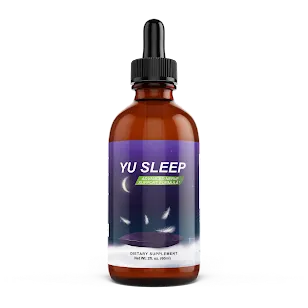
Yu Sleep Targets the Exact Causes of 3 AM Wake-Ups
Lemon balm lowers cortisol. GABA and L-theanine quiet racing thoughts. Magnesium glycinate deepens sleep.
If you've tried lifestyle changes alone without success, a well-designed supplement that addresses cortisol, brain chemistry, and sleep depth simultaneously may be the missing piece. The goal isn't to force sleep with sedatives, but to restore your body's natural sleep system.
This article is for informational purposes only and is not medical advice. Persistent insomnia or middle-of-the-night awakenings warrant a conversation with your healthcare provider.