
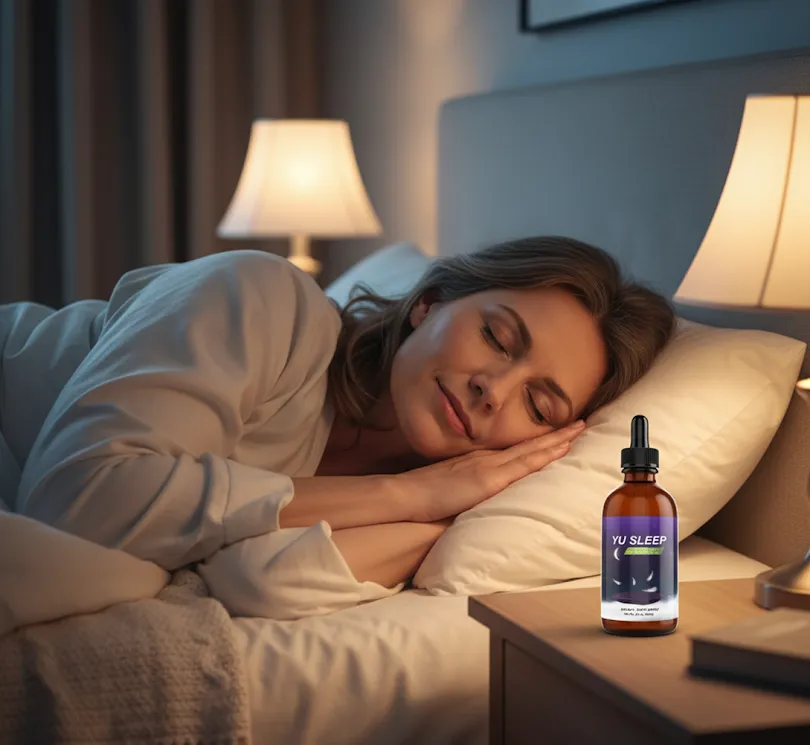
If you want to sleep deeper without relying on prescription medications or high-dose melatonin, science has identified specific natural compounds that genuinely improve sleep quality. Here are 10 of the best — all backed by peer-reviewed research and used in modern sleep formulas like Yu Sleep.
📑 Table of Contents
1. Red Tart Cherry Extract
Tart cherries are one of the few natural foods rich in melatonin. Multiple studies have shown that tart cherry juice or extract can increase total sleep time by 20-30 minutes and improve sleep efficiency in adults over 50.
How it helps: Provides naturally occurring melatonin and tryptophan, which together support healthy melatonin synthesis and circadian rhythm regulation.
Best for: People over 40 whose natural melatonin production has declined with age.
2. 5-HTP (5-Hydroxytryptophan)
5-HTP is a direct precursor to serotonin, which your body then converts to melatonin at night. Unlike taking melatonin directly, 5-HTP supports your body's natural production cycle.
How it helps: Boosts serotonin and melatonin synthesis naturally, while also improving mood and reducing anxiety.
Best for: People with stress-related insomnia or low mood affecting their sleep.
3. Magnesium Glycinate
Magnesium is involved in over 300 biochemical reactions in your body, including those that regulate sleep. Most adults are deficient. The glycinate form is the most bioavailable for sleep purposes because glycine itself has calming effects on the nervous system.
How it helps: Activates the parasympathetic nervous system, relaxes muscles, and promotes deep sleep phases.
Best for: Anyone with restless legs, muscle tension, or shallow sleep.
4. Apigenin (from Chamomile)
Apigenin is the active flavonoid in chamomile responsible for its calming effects. It binds to benzodiazepine receptors in the brain — similar to anti-anxiety medications but without the side effects.
How it helps: Reduces the time it takes to fall asleep and minimizes nighttime tossing and turning.
Best for: People who lie in bed awake unable to "shut their mind off."
5. Lemon Balm Extract (Melissa officinalis)
Lemon balm has been used for centuries to reduce anxiety and promote sleep. Modern research has confirmed it specifically lowers cortisol — the stress hormone that often spikes in the middle of the night.
How it helps: Reduces cortisol-driven 3 AM wake-ups and helps you stay asleep through the full night.
Best for: People who fall asleep fine but wake up at 2-4 AM with their mind racing.
6. L-Theanine
L-theanine is an amino acid from green tea that promotes alpha brain waves — the same brain state achieved during meditation. It produces a calm, focused relaxation without drowsiness.
How it helps: Quiets racing thoughts and reduces anxiety so the mind can settle into sleep mode.
Best for: Anyone with anxiety, overthinking, or work-related stress at bedtime.
7. GABA (Gamma-Aminobutyric Acid)
GABA is the brain's primary inhibitory neurotransmitter. It's the chemical that signals "calm down" to overactive neurons. When GABA is low, the brain stays in "go mode" even when you want to rest.
How it helps: Quiets the overactive nervous system and shifts the brain into rest mode.
Best for: People with chronic stress, anxiety, or burnout affecting their sleep.
8. Vitamin B6 (Pyridoxine)
Vitamin B6 is an essential cofactor in the conversion of tryptophan to serotonin and serotonin to melatonin. Without enough B6, your body can't efficiently produce the neurotransmitters and hormones needed for sleep.
How it helps: Supports natural serotonin and melatonin synthesis and may improve dream recall.
Best for: Anyone supplementing with 5-HTP or tryptophan should pair with B6 for best absorption.
9. Vitamin B2 (Riboflavin)
Vitamin B2 supports mitochondrial energy production and circadian rhythm regulation. Studies have linked higher B2 intake with better sleep quality and daytime alertness.
How it helps: Supports healthy circadian rhythm and improved sleep architecture.
Best for: Anyone with low energy or irregular sleep-wake cycles.
10. Low-Dose Melatonin (Under 1mg)
Most melatonin supplements contain way too much — 3 to 10mg. Research suggests that doses under 1mg actually work just as well or better than high doses, without the morning grogginess and vivid dreams.
How it helps: Gently signals bedtime to your body without overriding natural production.
Best for: Anyone who wants the bedtime signal without the side effects of high-dose melatonin.
The Power of Combining These Ingredients
While each of these ingredients can help on its own, the real magic happens when they work together. Cortisol-lowering lemon balm, brain-calming GABA and L-theanine, deep-sleep-promoting magnesium, melatonin-supporting 5-HTP and B vitamins, and a gentle low-dose melatonin signal — together they address every angle of poor sleep.
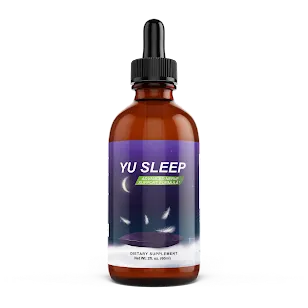
Yu Sleep Combines All 10 Ingredients in One Liquid Formula
Nano-enhanced for fast absorption. Only 0.9mg of melatonin. Plant-based and non-habit forming.
Final Thoughts
The best sleep supplements aren't built around a single hero ingredient — they layer multiple compounds that address different aspects of poor sleep. If you're shopping for a sleep supplement in 2026, look for products that include several of these ingredients in clinically meaningful doses.
For best results, take your supplement about 30 minutes before bed, maintain a consistent sleep schedule, keep your bedroom cool and dark, and limit caffeine after 2 PM.